
Collector guide
Raw vs graded cards: when is grading worth it?
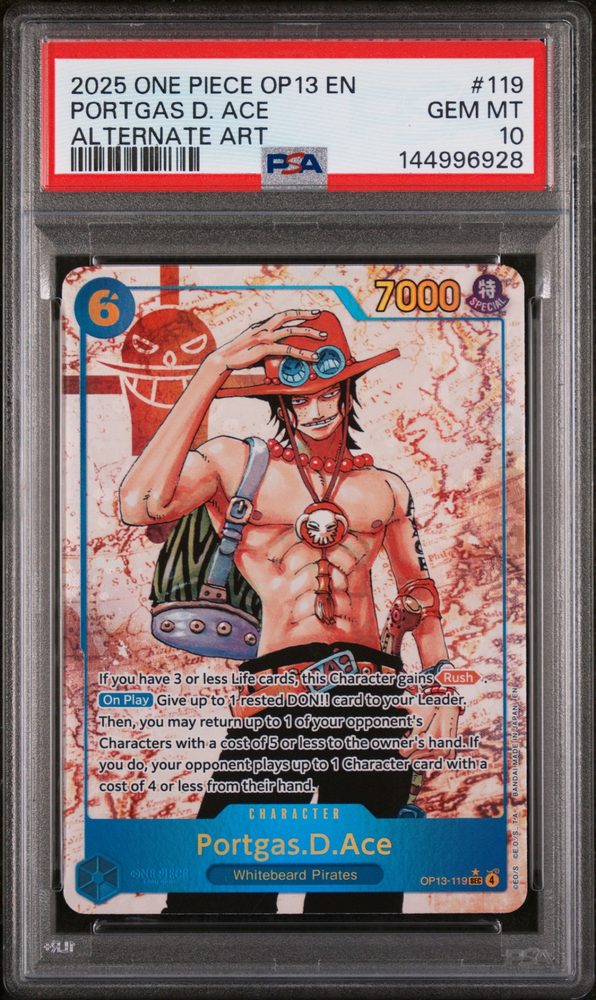
A raw card is out of any grading case. A graded card has been checked by a grading company, given a grade, and sealed in a plastic case called a slab.
What a slab tells you
- A grade, usually on a 1 to 10 scale (some graders use half points). Each company publishes its own standards.
- That the card was checked by the grader, which matters most for valuable cards that get faked.
- A certification number you can look up on the grader's website.
Common graders include PSA, Beckett (BGS), CGC and SGC. Grades from different companies aren't directly interchangeable, and buyers often pay different prices for the same grade from different graders.
When grading usually makes sense
- The card is valuable enough that a high grade sells for clearly more than the raw card, after paying the grading fee, shipping both ways and insurance.
- The card looks very clean: sharp corners, clean edges, no scratches and good centering. See Checking centering and corners.
- It's a card people often fake, and buyers want proof it's real.
When to keep it raw
- The card is worth less than the total cost of grading it.
- It has visible wear, so it would likely get a middle grade.
- You want it in a binder or to play with.
A quick way to decide
Look up recent sold prices (not asking prices) for the raw card and for the grade you realistically expect. If the difference doesn't comfortably cover the grader's current fee, both-way shipping and the wait, keep it raw. Fees and wait times change often, so check the grader's website before you send anything.